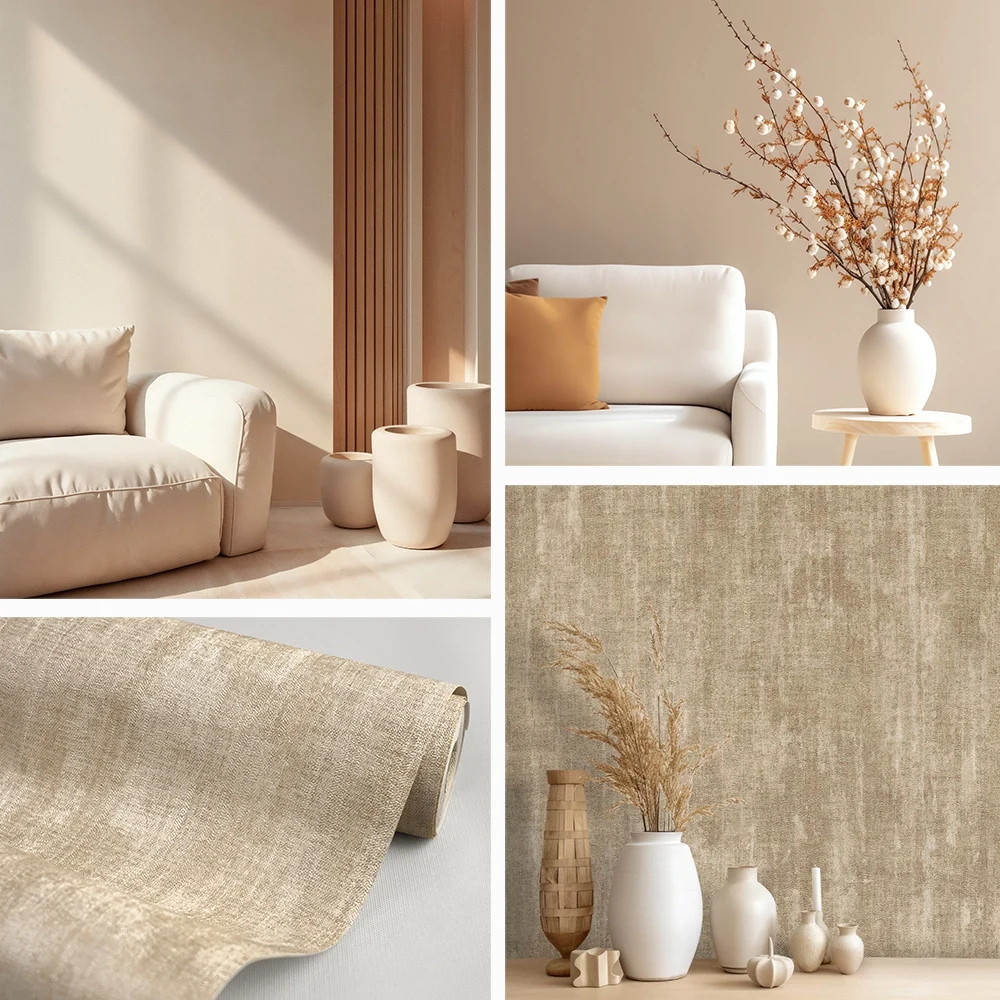
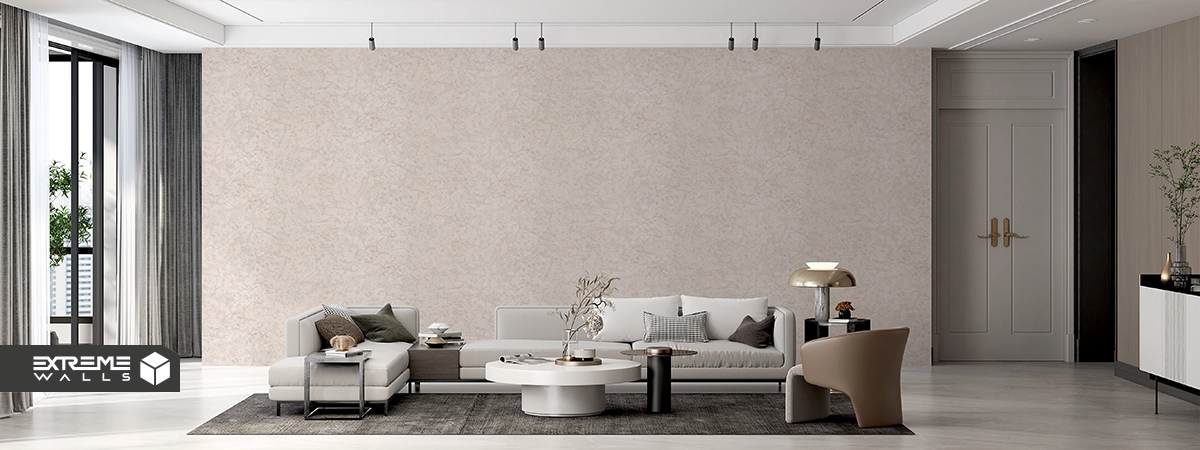
Modern home interior design is all about simplicity, balance, and functionality. In modern interiors, you won’t find heavy ornaments, ornate carvings, or overly decorative classical patterns. This style focuses on clean lines, neutral color palettes—such as white, cream, grey, beige, and black—and occasionally an accent color like mustard yellow, olive green, or navy blue to create a visual focal point. With flat surfaces, minimal patterns, smooth textures, and practical furniture, modern home interior design gives spaces a refined, elegant, and contemporary feel.
Key Characteristics of Modern Interior Design
In modern decor, you won’t find heavy ornaments, ornate carvings, or busy classical patterns.
The beauty of this style lies in simplicity, balance, and clean lines.
Modern interiors typically follow a neutral color palette—white, cream, grey, beige, and black—but often incorporate an accent color such as mustard yellow, olive green, or navy blue to create a focal point.
With flat surfaces, minimal patterns, smooth textures, and practical furniture, modern design gives the home a refined and contemporary feel.
Patterns & Designs in Modern Decor
Patterns play a major role in shaping the atmosphere of a modern home. Unlike classic styles filled with floral or intricate motifs, modern design uses simple, geometric, and purposeful patterns.
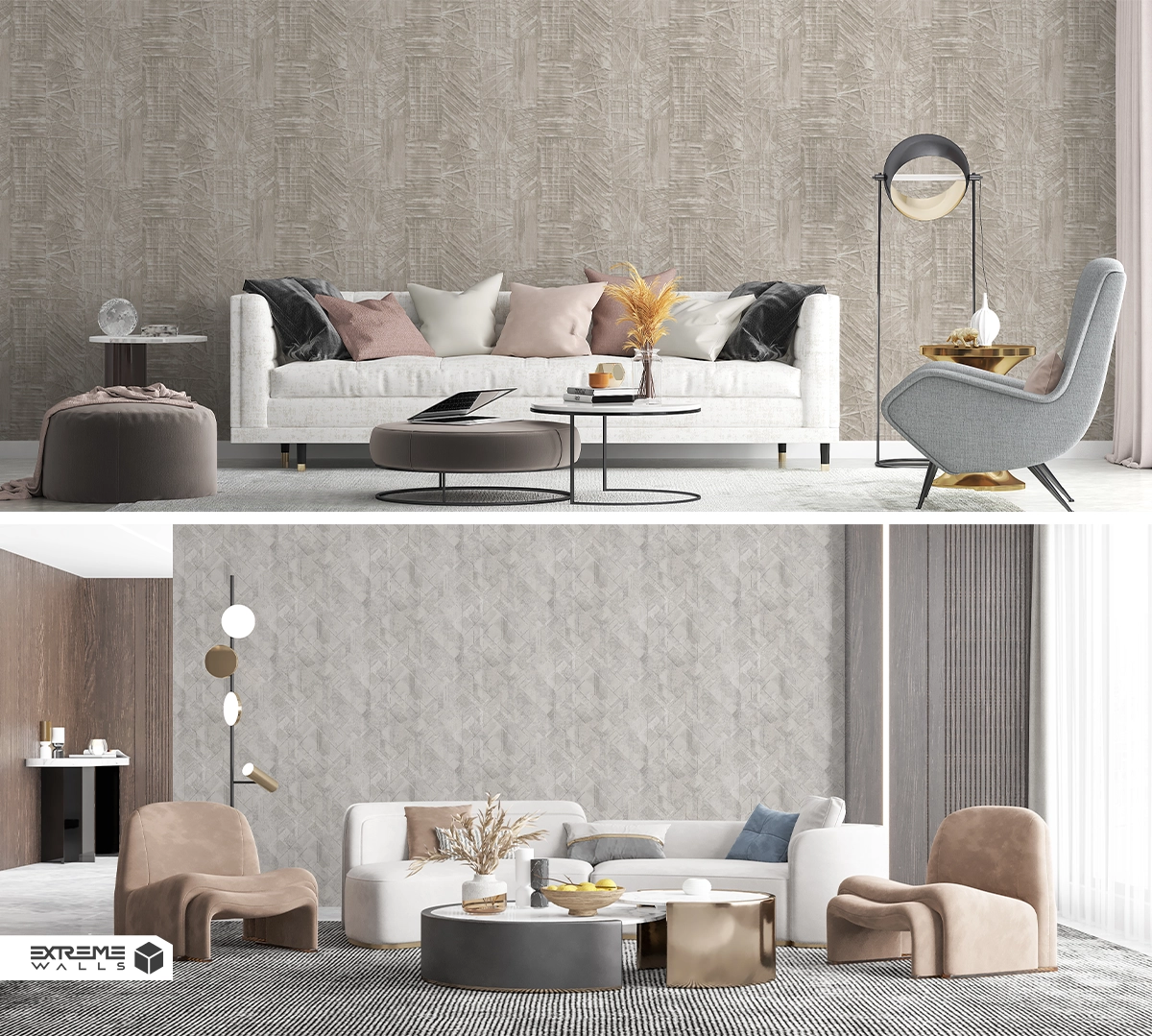
1. Geometric Patterns: Organized and Eye-Catching
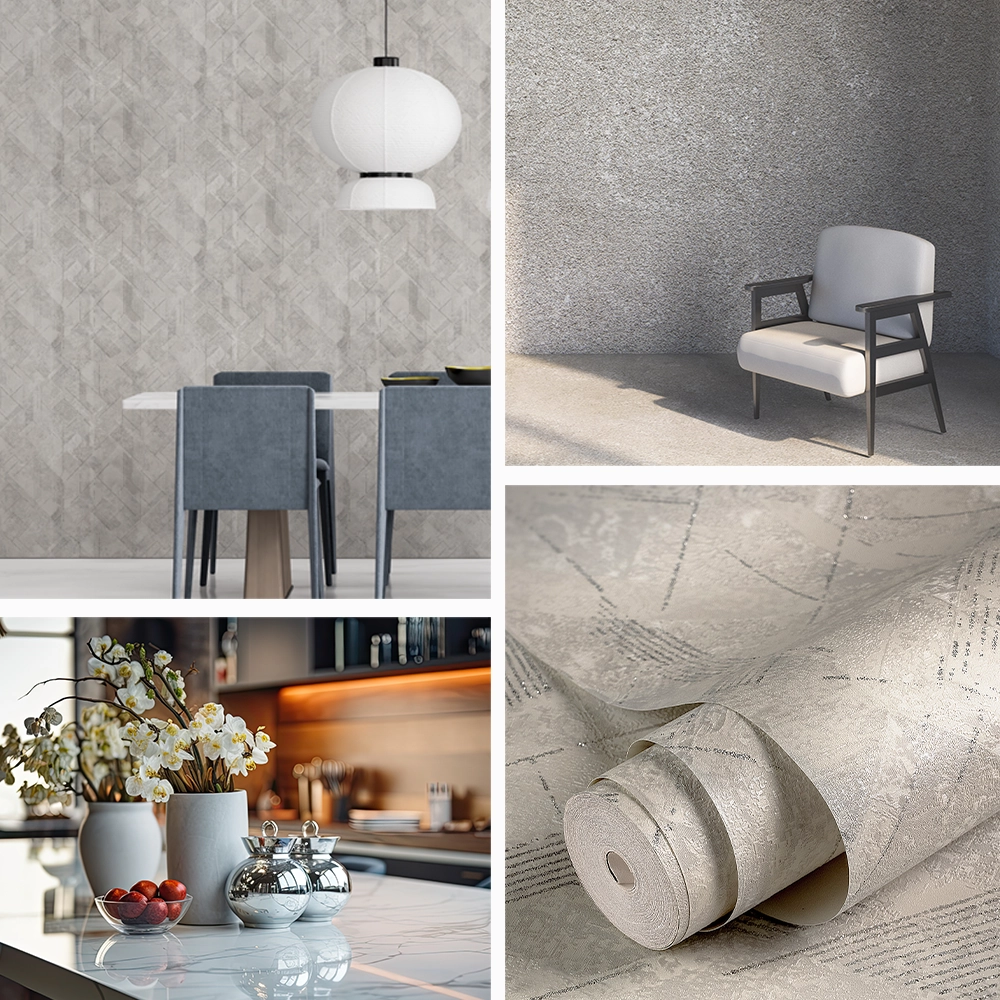
Square forms, straight lines, subtle stripes, abstract shapes, and repetitive geometric designs add rhythm and structure without creating visual clutter.
Geometric wallpapers with clean lines or soft striped patterns work beautifully in modern spaces.
2. Textured and Stone-Inspired Designs
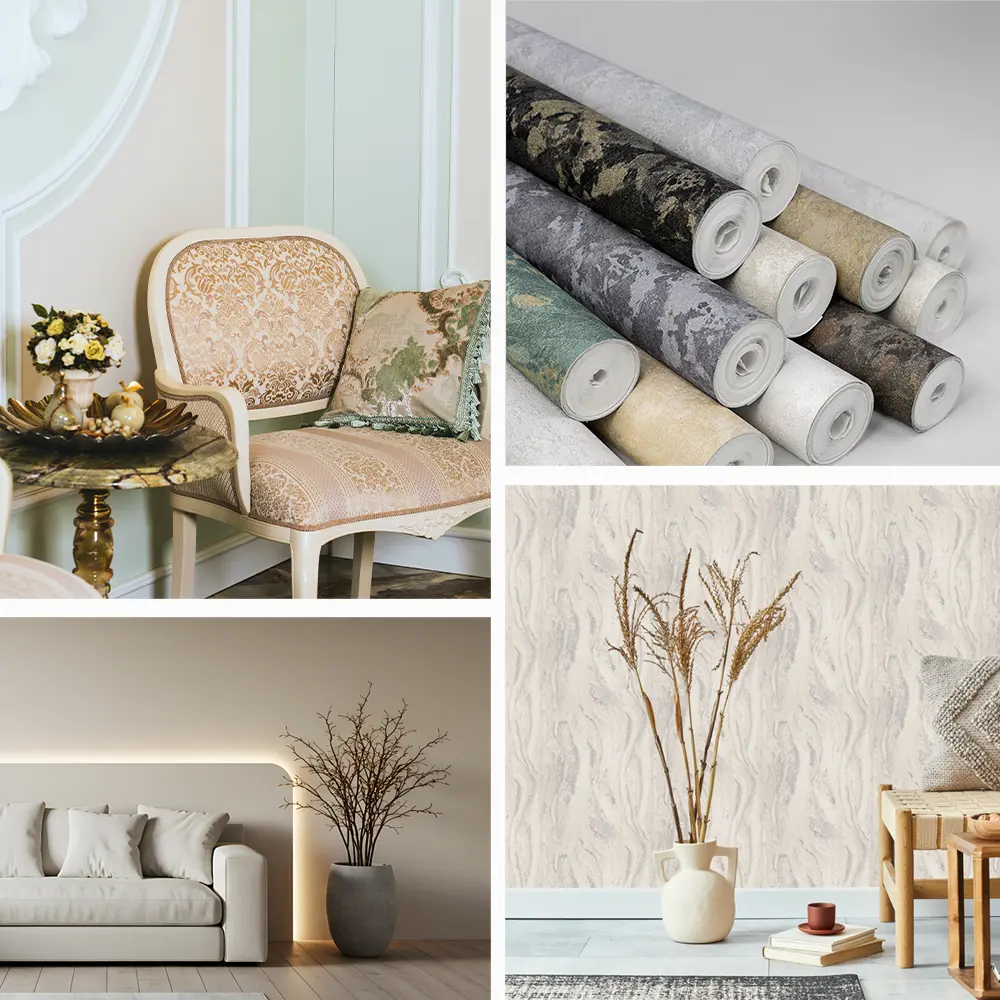
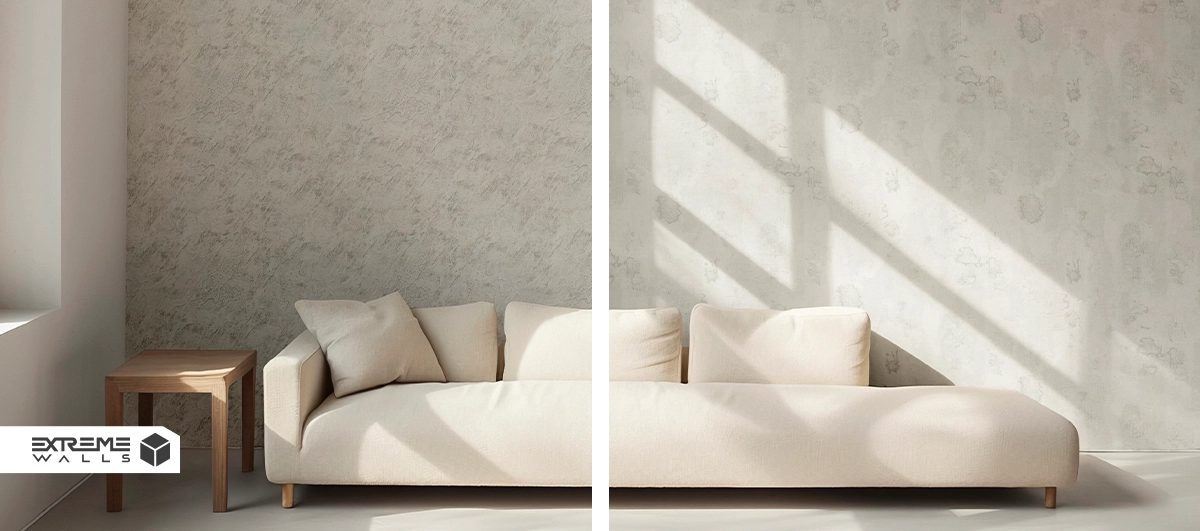
Texture is essential for adding warmth and depth. Wallpapers with concrete, stone, linen, or subtle grain patterns bring character to the walls without overwhelming the room.
3. Minimal and Clean Patterns
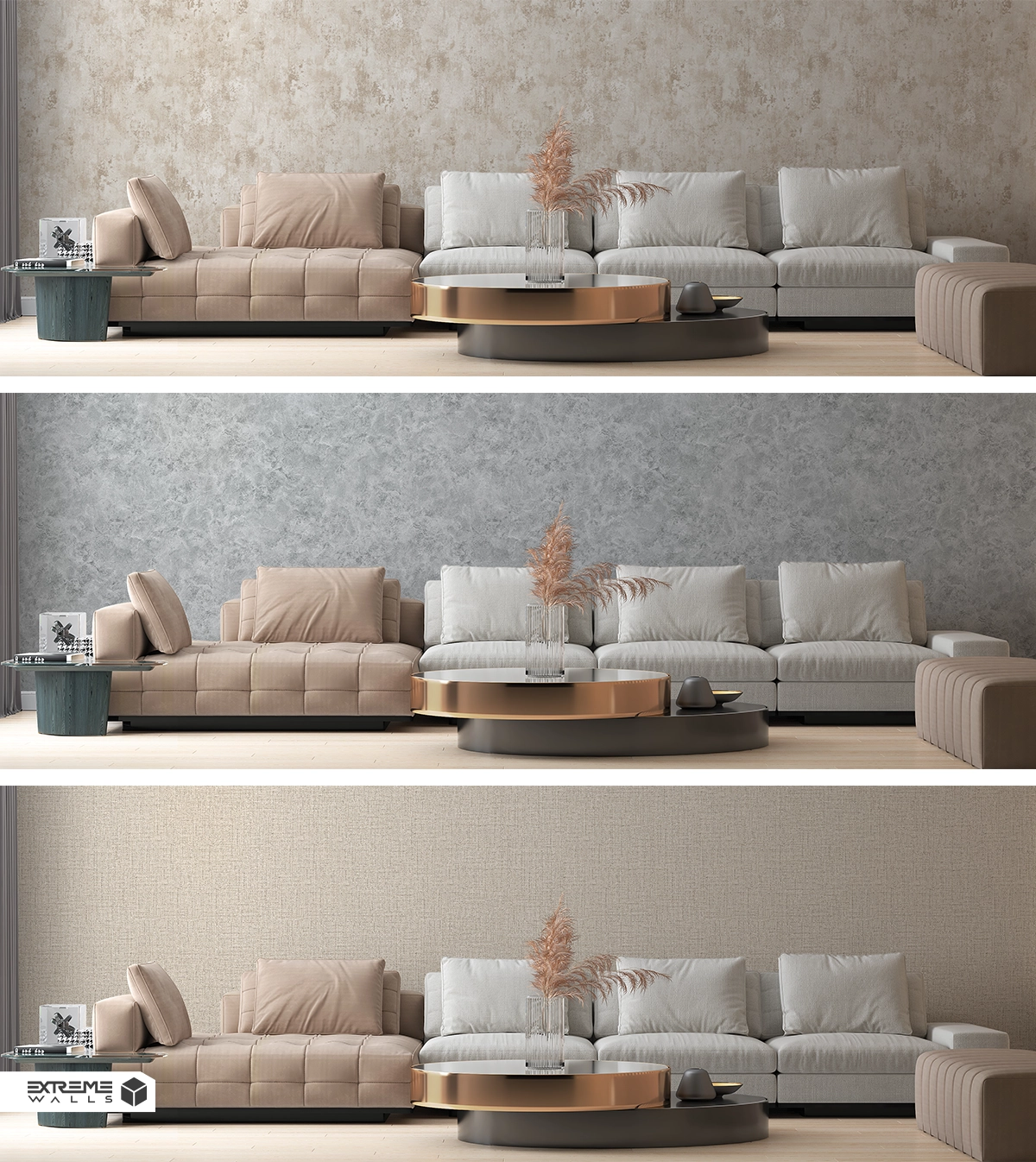
Modern interiors prioritize calmness and simplicity. Minimal wallpapers with soft textures, neutral tones, or very fine lines help create an airy, balanced, and elegant atmosphere.
4. Controlled Contrast
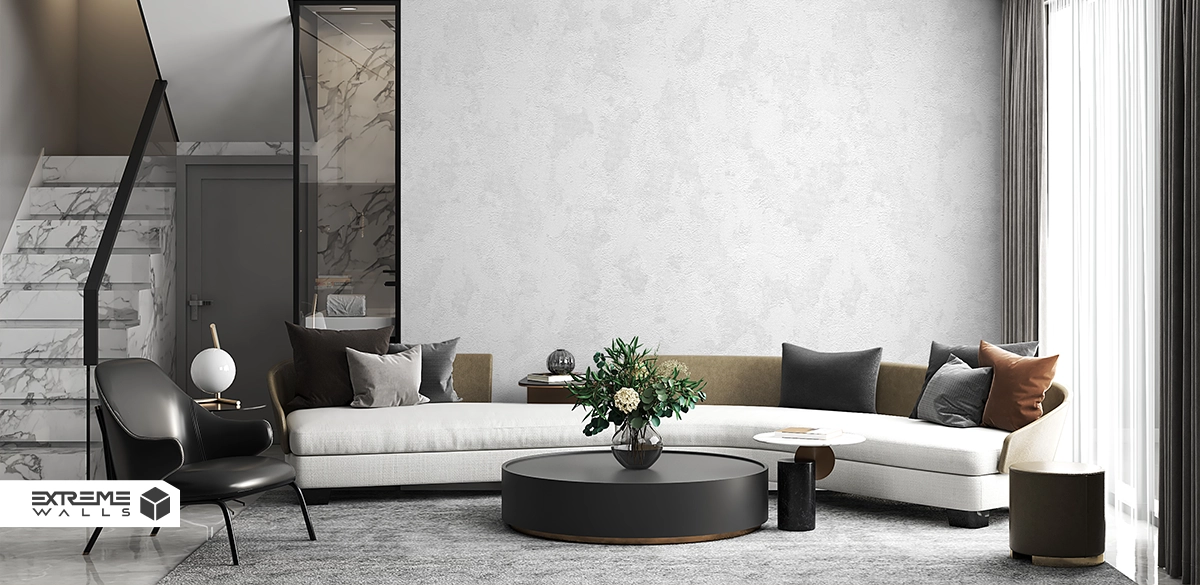
Modern does not mean monotonous. You can pair a bold geometric feature wall with simple surrounding walls to create visual interest without compromising the clean aesthetic.
5. Avoid Busy Designs
Floral, overly decorative, and classical motifs disrupt the simplicity of modern décor. Keeping patterns simple ensures the space feels fresh, organized, and visually soothing.
Color Palette in Modern Home Design
Color is more than decoration—it’s a tool for creating mood, harmony, and identity.
Neutral Colors: The Foundation of Modern Interiors
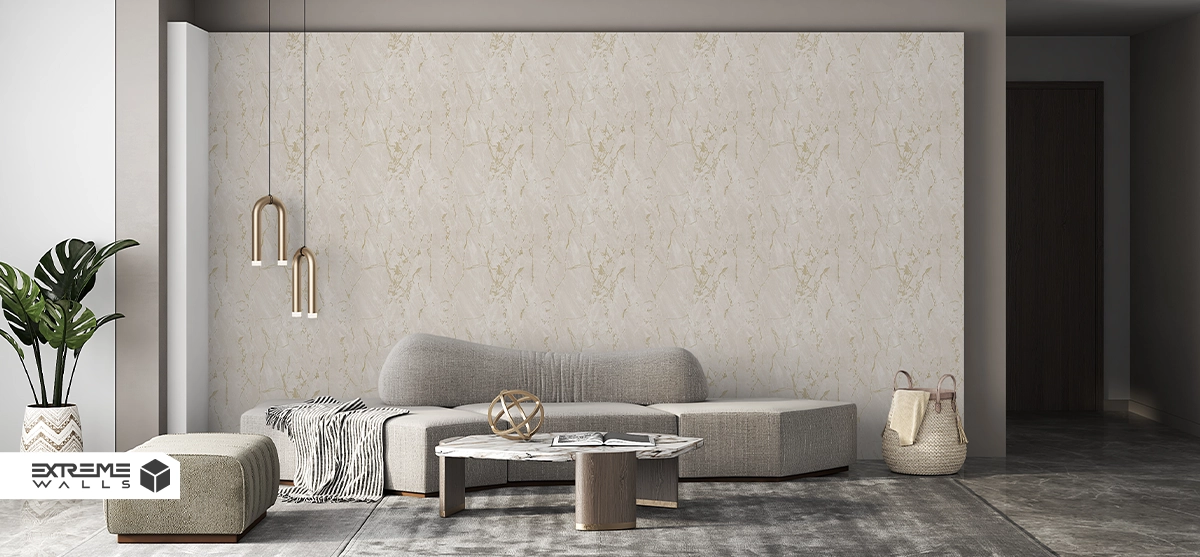
White, beige, grey, taupe, and soft neutrals make spaces appear brighter, larger, and more balanced. These tones create a fresh base layer for any modern room.
Light & Dark Contrast for Depth
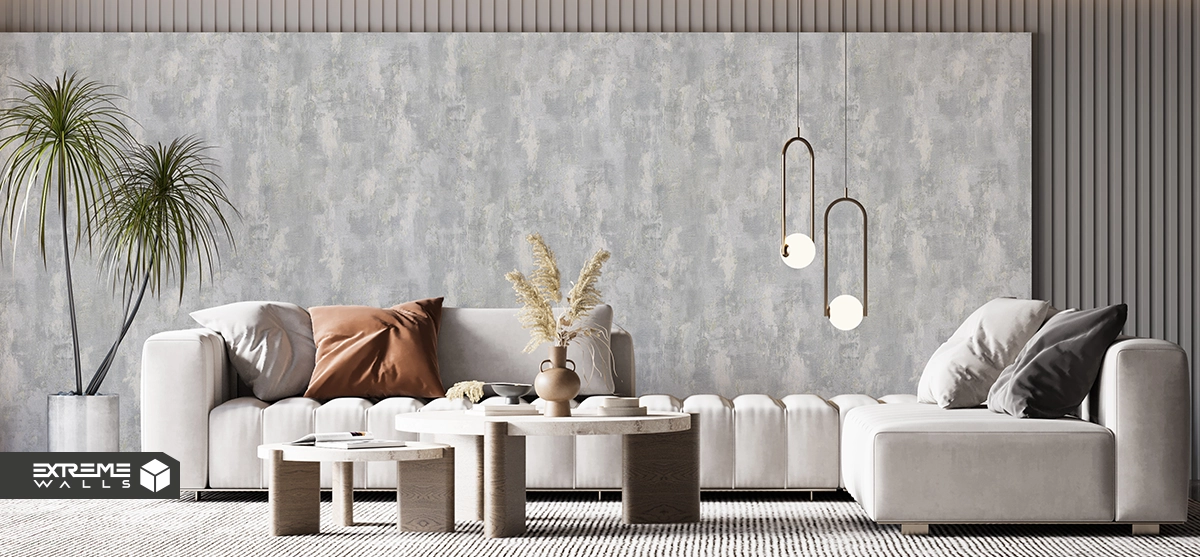
A signature of modern design is using contrast strategically.
Examples:
-
Light grey paired with charcoal grey
-
Matte black combined with crisp white
These combinations add dimension and a polished, contemporary feel.
Warm Earth Tones for Balance
To keep a neutral modern space from feeling too cold, warm earth tones—such as tan, caramel, soft gold, or clay—add comfort and natural warmth.
Accent Colors: Creating a Focal Point
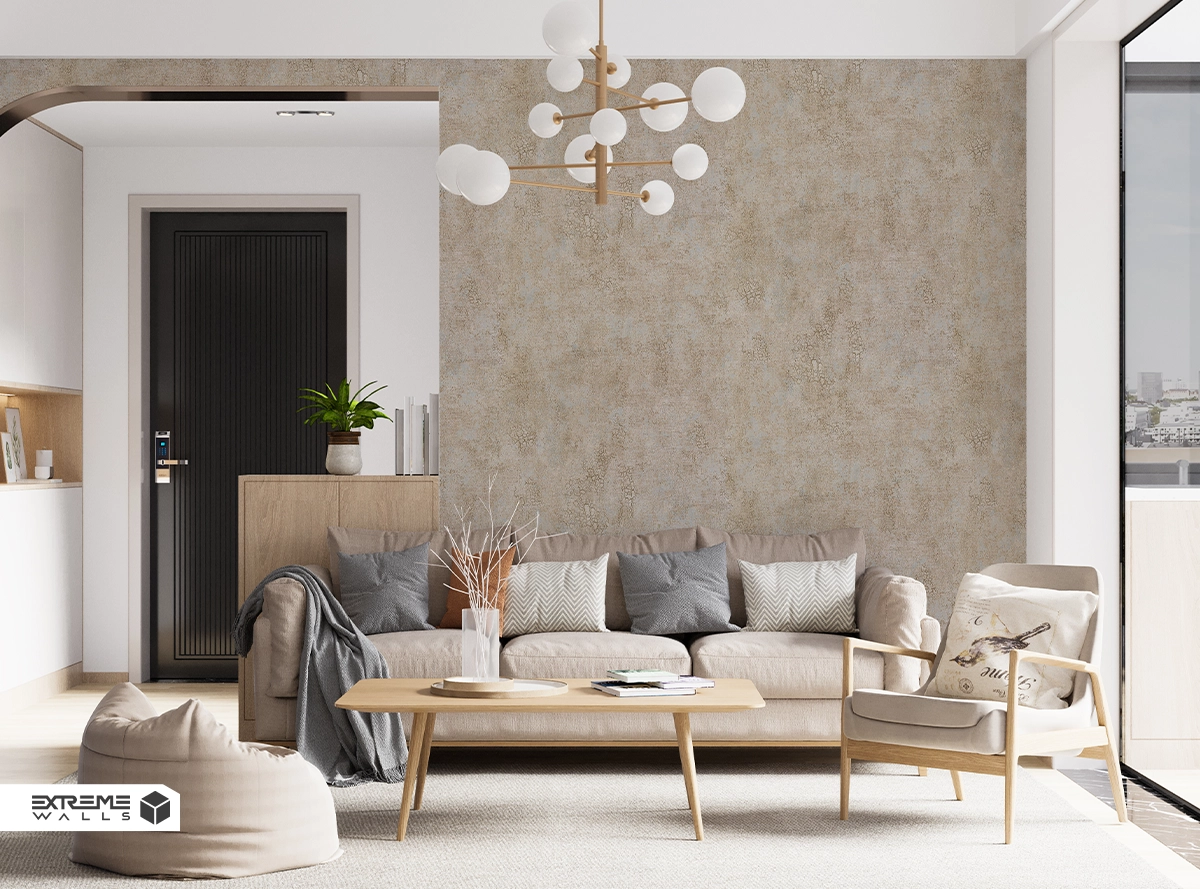
Accent tones should be used sparingly but purposefully. Popular options include:
-
Olive green
-
Deep navy
-
Mustard
-
Terracotta
-
Copper
These colors help break visual monotony and highlight specific areas like an accent wall or a key piece of furniture.
Using Wallpaper to Balance Colors
Modern wallpaper can define contrast and unify the room’s palette.
You can pair neutral minimal wallpapers with a feature wall in a geometric or stone-inspired design to create a stylish and cohesive modern look.
Popular Materials in Modern Interior Design
Modern design combines natural, industrial, and contemporary materials to create clean, stylish environments.
1. Wood (Natural or Engineered)
Wood adds warmth and a sense of nature to modern spaces.
Common uses:
-
Flooring (laminate or parquet)
-
Cabinets
-
Wall panels
-
TV wall units
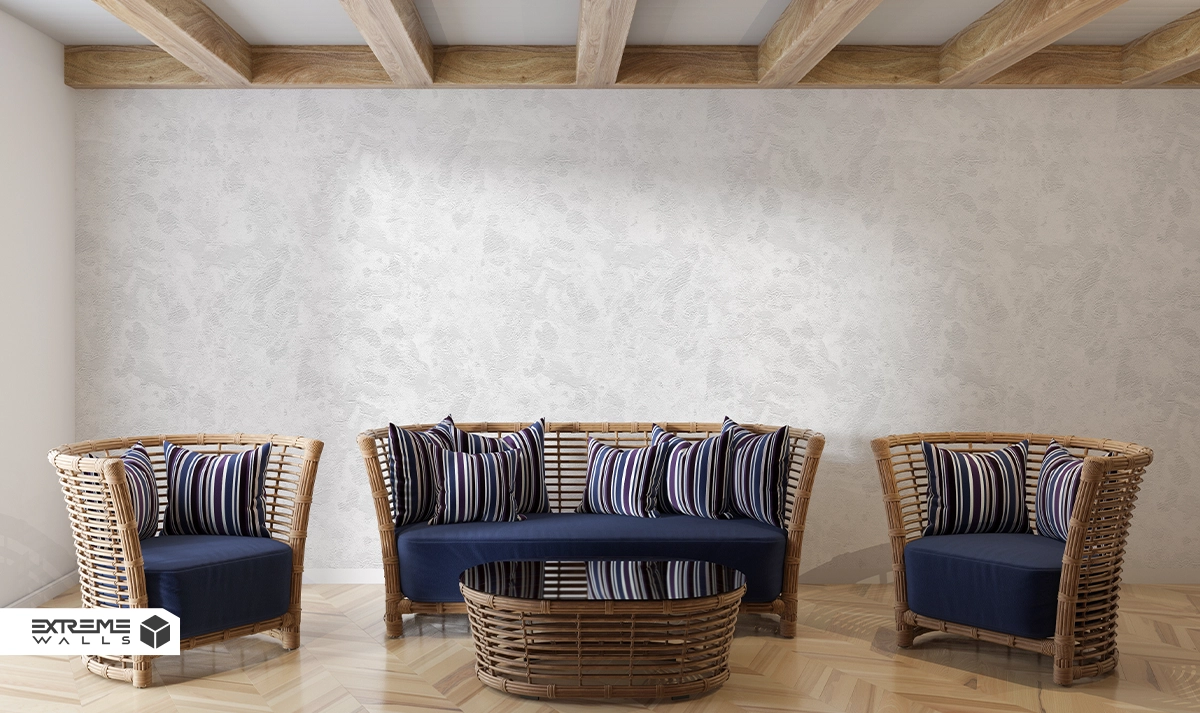
2. MDF & Contemporary Laminates
Smooth, uniform surfaces—with matte or glossy finishes—are ideal for cabinets, doors, shelving, and feature panels.
3. Glass
Glass represents transparency, light, and simplicity.
Ideal for:
-
Coffee tables and shelving
-
Sliding doors or partitions
-
Stair railings
-
Modern kitchen accents
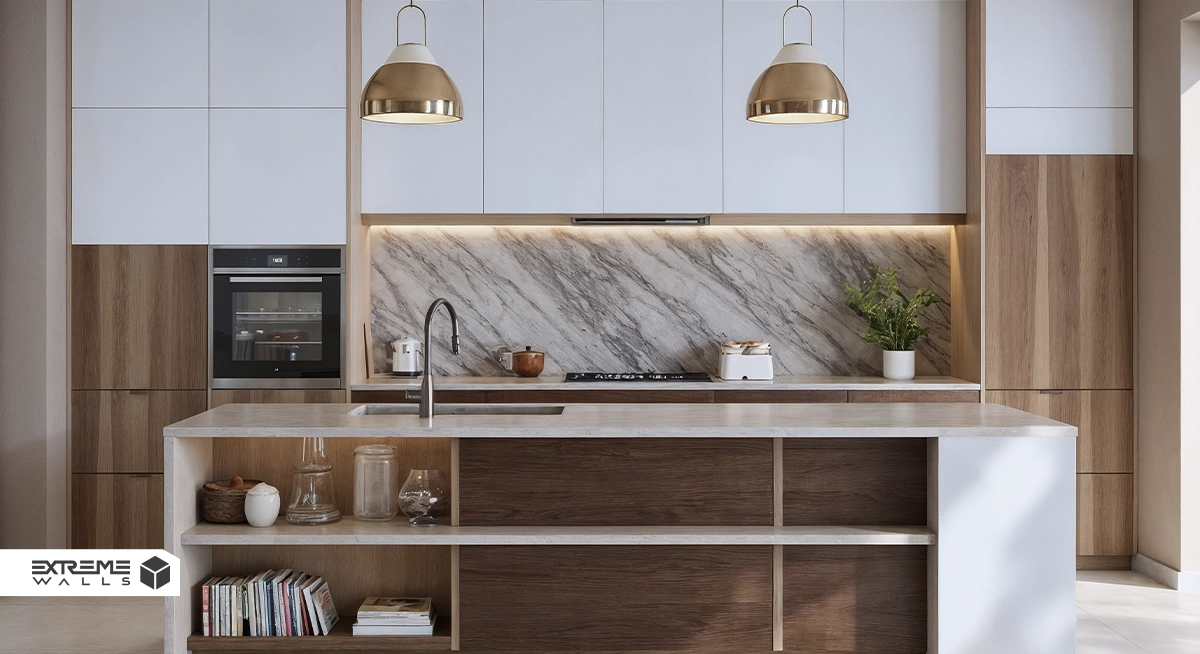
4. Metal
Matte black, brushed steel, bronze, or soft gold metals are widely used to add an industrial yet elegant feel.
Applications include:
-
Table and chair bases
-
Light fixtures
-
Mirror frames
-
Decorative accents
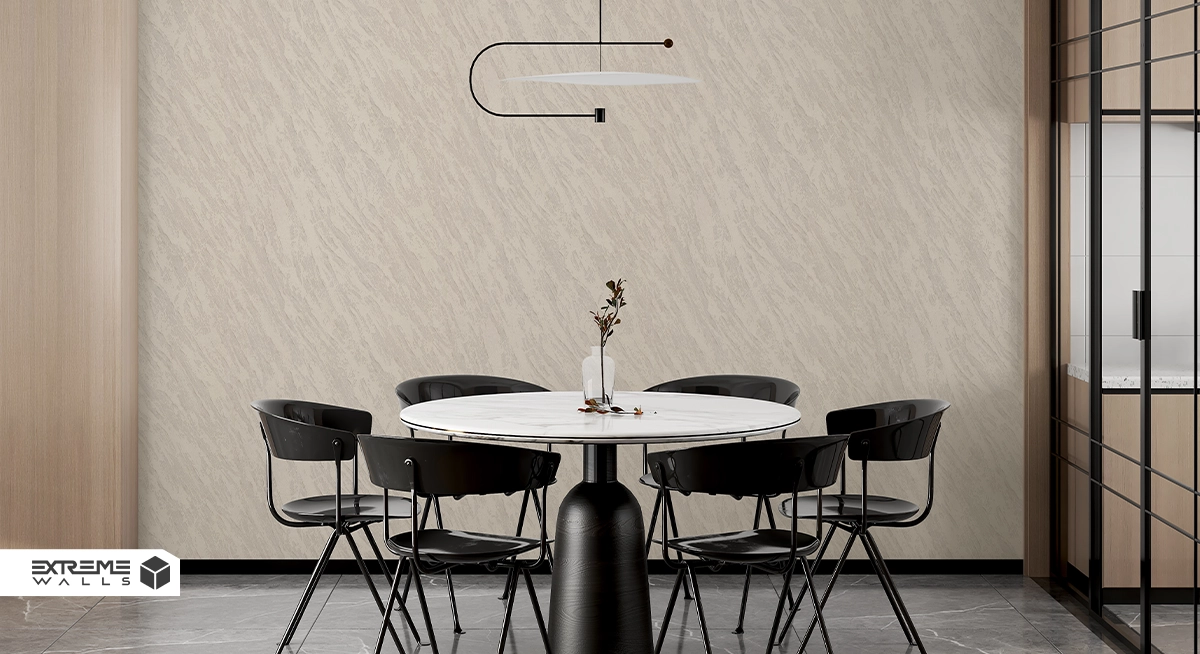
5. Stone & Stone-Effect Surfaces
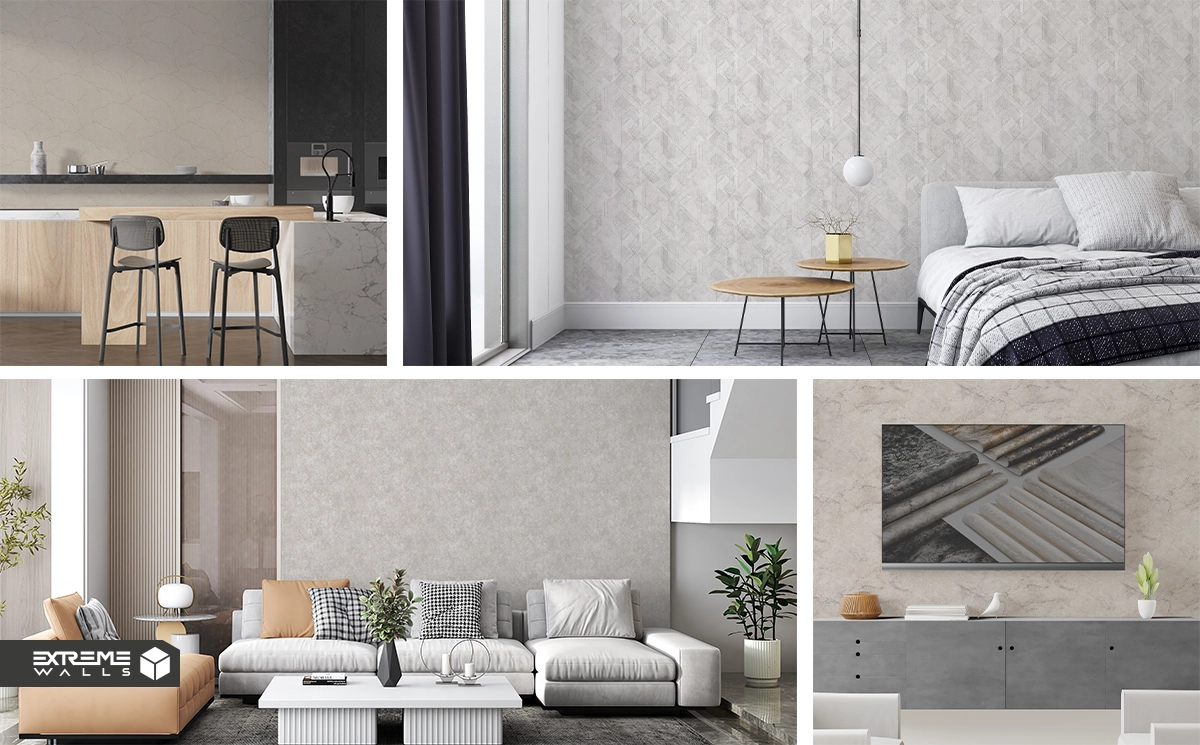
Marble, granite, or stone-inspired finishes bring a luxurious yet natural look. Smooth surfaces with subtle veining fit perfectly in modern homes.
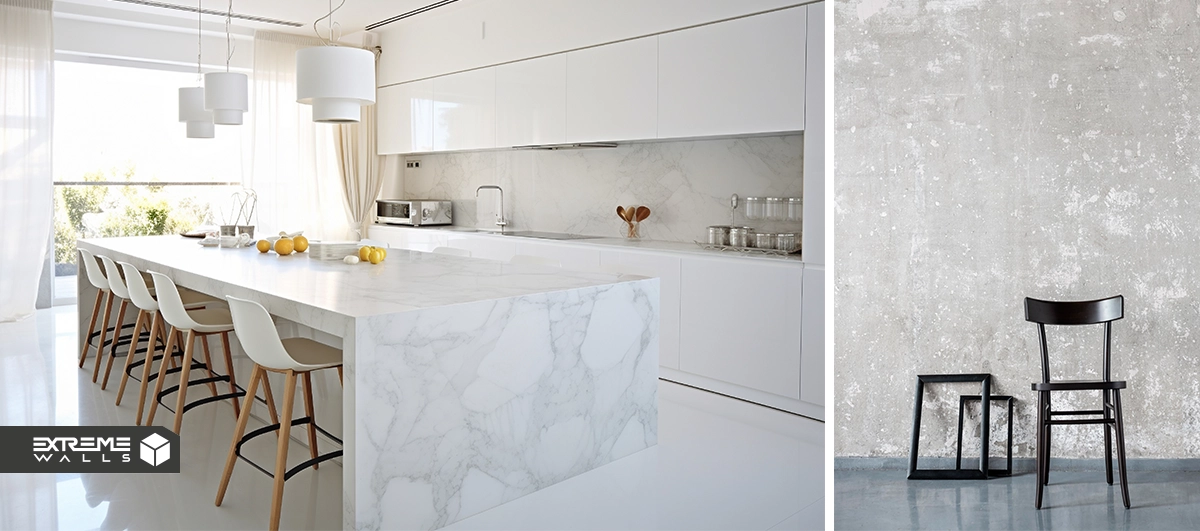
6. Concrete & Cement Finishes
Concrete is a key material in modern industrial design.
It works well for:
-
Feature walls
-
Floors
-
TV walls
-
Minimalist architectural elements
If real stone or concrete is expensive or difficult to install, high-quality wallpapers with stone or concrete textures offer a practical and stylish alternative.
7. Minimalist Fabrics
Soft, neutral-toned textiles like linen, matte velvet, cotton, and microfiber complement modern furniture and curtains.
Final Thoughts
Modern interior design embraces simplicity, functionality, and understated elegance.
To achieve a modern look:
-
Avoid excessive decoration
-
Focus on minimal, practical elements
-
Use clean lines, neutral colors, and subtle patterns
-
Combine natural materials with modern finishes
For homeowners seeking stylish, modern wallpapers, choosing designs with geometric, textured, or stone-inspired patterns can transform any space into a contemporary and inviting environment.
If you’d like help selecting wallpapers or designing a modern theme for your home, feel free to reach out!